
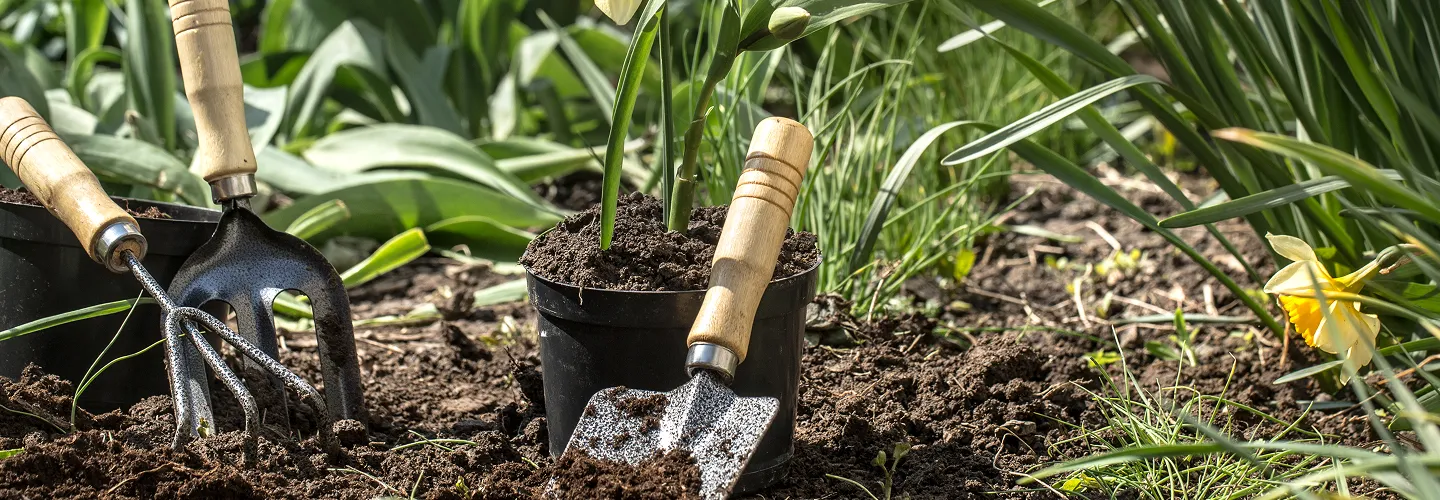
Phoenix Flower Bed Maintenance Services
Choose our Flower Bed Maintenance for expert care that keeps your garden healthy, colorful, and thriving all year round—so you can enjoy beautiful blooms without the hassle.
Get a Free QuoteOur Phoenix Landscaping & Yard Care Services
When to Schedule Flower Bed Maintenance in Phoenix, Arizona – Seasonal Guide
In Phoenix, Arizona, timing your flower bed maintenance is crucial due to the region’s unique desert climate and distinct seasonal changes. The optimal periods for maintenance are typically late winter through early spring (February to April) and again in the fall (October to November), when temperatures are milder and plants are less stressed by extreme heat. These windows allow for pruning, mulching, and soil amendment before the intense summer sun or after the monsoon season, ensuring your beds in neighborhoods like Arcadia or near South Mountain Park thrive year-round.
Local environmental factors play a significant role in determining the best maintenance schedule. For example, Phoenix’s low humidity and alkaline soils require careful selection of mulch and irrigation methods, while the risk of late frosts—though rare—can impact planting times in areas like Desert Ridge. Shade coverage from mature trees in historic districts, as well as municipal watering restrictions, should also be considered. For more information on local regulations and best practices, visit the City of Sudbury’s resource page.
Local Factors to Consider for Flower Bed Maintenance in Phoenix
- Tree density and shade coverage (e.g., Encanto-Palmcroft vs. open lots in Ahwatukee)
- Soil type and drainage, especially in older neighborhoods
- Annual precipitation and monsoon timing
- Drought risk and municipal watering restrictions
- Proximity to urban heat islands or cooler microclimates
- Terrain and slope, which affect runoff and soil erosion
Benefits of Flower Bed Maintenance in Phoenix
Enhanced Curb Appeal
Weed and Pest Prevention
Healthier Plant Growth
Seasonal Color Optimization
Water Efficiency Solutions
Professional Landscape Expertise
Phoenix Flower Bed Maintenance Types

Seasonal Flower Planting
-
Weed Control Services
-
Soil Amendment and Fertilization
-
Mulching and Ground Cover
-
Pruning and Deadheading
-
Irrigation System Maintenance
-
Pest and Disease Management
Our Flower Bed Maintenance Process
Site Evaluation
Weed Removal
Soil Preparation
Plant Care
Mulching
Why Choose Phoenix Landscape Services
-
Phoenix Homeowners Trust Us
-
Expert Lawn Maintenance
-
Reliable Irrigation Solutions
-
Competitive Pricing
-
Professional Team
-
Satisfaction Guarantee
-
Personalized Service
Coordinating Flower Bed Maintenance with Phoenix Municipal Programs and Departments
Flower bed maintenance in Phoenix involves more than seasonal planting and cleanup. Property owners and managers should coordinate with municipal departments when bed maintenance generates green waste, affects stormwater flow, or involves chemical applications near public drainage infrastructure. The City of Phoenix Public Works Department manages green waste collection and bulk pickup programs that apply directly to organic debris removed during flower bed maintenance, including spent annuals, pruned perennials, and accumulated mulch. Residents should verify current collection schedules and container requirements before placing bed waste curbside. For properties adjacent to public parks, trails, or desert preserves, the Parks and Recreation Department can provide guidance on landscape expectations and plant material compatibility along shared boundaries.
- Confirm green waste bundling and container rules with Public Works before disposal
- Coordinate with Parks and Recreation when flower beds border public open space or trail corridors
- Contact the Office of Environmental Programs regarding stormwater compliance for beds near drainage channels or retention basins
Phoenix Public Works Department
200 W. Washington St., Phoenix, AZ 85003
Official Website: Phoenix Public Works Department
Phoenix Parks and Recreation Department
200 W. Washington St., Phoenix, AZ 85003
Official Website: Phoenix Parks and Recreation Department
How Phoenix's Low-Desert Heat and Alkaline Soils Affect Flower Bed Health
Phoenix falls within USDA Hardiness Zones 9b–10a and is classified as a low-desert metropolitan environment. These conditions impose specific pressures on flower bed maintenance that differ substantially from most other U.S. cities. According to the USDA Plant Hardiness Zone Map, minimum winter temperatures in Phoenix rarely drop below 25–30°F, but summer surface temperatures on exposed soil and rock mulch can exceed 150°F. Soils across much of the metro area tend toward alkaline sandy loam, often underlain by caliche hardpan that restricts root penetration and drainage. Salt accumulation from municipal and reclaimed irrigation water further stresses ornamental plantings.
- Extreme radiant heat: South- and west-facing beds adjacent to block walls or concrete receive intense reflected heat, accelerating moisture loss and scorching tender annuals
- Alkaline soil pH: Most Phoenix soils register pH levels between 7.5 and 8.5, limiting nutrient availability for iron-dependent flowering species
- Caliche layers: Subsurface caliche impedes drainage and root development, often requiring amendment or raised-bed construction
- Monsoon runoff: Intense summer storms can wash out mulch, displace emitters, and erode unprotected bed surfaces within minutes
- Irrigation dependence: Flower beds in Phoenix require year-round drip irrigation; the Arizona Department of Water Resources provides landscaping guidance on efficient watering practices
Navigating Phoenix's Stormwater and Pesticide Regulations for Flower Bed Care
Flower bed maintenance activities in Phoenix are subject to several regulatory frameworks at the city and state level. Chemical weed control and pest treatment within flower beds require compliance with Arizona Department of Agriculture licensing requirements for commercial applicators. Any person applying restricted-use pesticides professionally must hold a valid certified applicator license under Arizona Revised Statutes Title 3. Herbicide and fertilizer runoff from flower beds into storm drains, washes, or retention basins is regulated under the city's Phase II MS4 stormwater permit, administered in coordination with Arizona DEQ stormwater programs.
- Excess irrigation water carrying fertilizer or pesticide residue must not discharge into street gutters, curb inlets, or flood-control channels
- The Phoenix Office of Environmental Programs oversees local stormwater compliance and can clarify site-specific obligations for properties near washes or drainage corridors
- Noxious weed species identified by the Arizona Department of Agriculture should be removed promptly from flower beds to prevent spread into adjacent public land
- Property owners in HOA-governed communities should verify any additional landscape appearance standards that may govern flower bed composition and maintenance frequency
Phoenix Office of Environmental Programs
200 W. Washington St., Phoenix, AZ 85003
Official Website: Phoenix Office of Environmental Programs
Timing Flower Bed Maintenance Around Phoenix's Monsoon Season and Planting Windows
Professional flower bed maintenance in Phoenix follows a seasonal rhythm dictated by extreme heat, monsoon storms, and brief frost windows. The primary cool-season planting window for annuals such as petunias, snapdragons, and pansies runs from mid-October through early March, when overnight temperatures remain above freezing and daytime highs allow establishment without heat stress. Warm-season annuals including vinca, lantana, and zinnias are typically installed from late March through May, before the most intense summer heat arrives. Deadheading, weed suppression, and emitter inspection should occur on a regular cycle throughout the growing season.
- Mulch replenishment: Apply or refresh organic mulch to a depth of roughly two to three inches before monsoon season to reduce washout and moderate soil temperature
- Irrigation emitter checks: Inspect drip emitters and micro-sprayers monthly; clogged or displaced emitters are a leading cause of flower bed failure in Phoenix heat
- Post-monsoon cleanup: After major storm events, remove silt deposits, reposition displaced mulch, and verify that bed drainage has not been compromised
- Weed suppression: Apply pre-emergent treatments before the late-summer monsoon weed flush and again before the winter germination cycle; hand-pull weeds near drip lines to avoid herbicide contact with ornamental roots
- Soil amendment: Incorporate sulfur or iron chelate as needed to counteract alkaline soil conditions and improve nutrient uptake for flowering species
What Neighborhoods Do We Serve Throughout Phoenix, AZ?
- Arcadia: Established lots with mature citrus and shade trees create mixed-light conditions in flower beds, requiring careful species selection and emitter placement beneath canopy edges
- Desert Ridge: Newer subdivision fill soils and extensive hardscape increase reflected heat on flower beds, demanding heat-tolerant species and frequent mulch maintenance
- Ahwatukee Foothills: Sloped lots and proximity to South Mountain Preserve create drainage challenges and wash-adjacent conditions that affect bed stability during monsoon events
- Encanto-Palmcroft: Historic irrigated properties with older drip and flood-irrigation systems often require emitter upgrades and soil amendment to sustain ornamental flower beds
- North Gateway: Rapidly developing areas with compacted subdivision fill and limited topsoil depth benefit from raised-bed construction and amended planting zones
- Laveen: Properties near the Salt River and Laveen area washes should account for monsoon runoff patterns and avoid placing flower beds in flood-prone low spots