
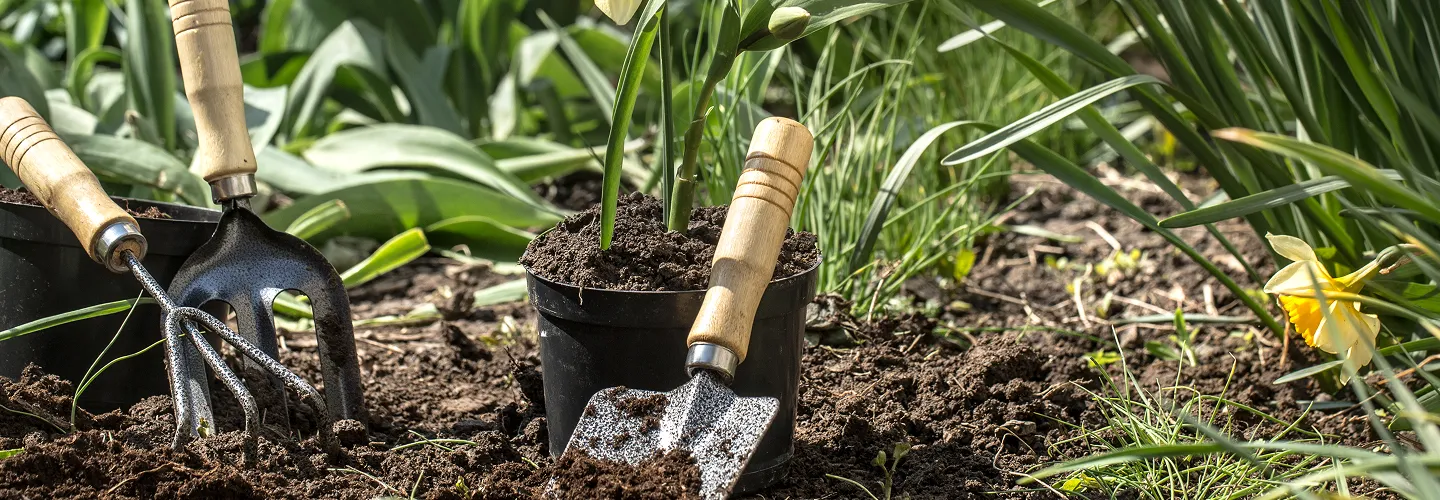
Phoenix Green Waste Disposal Services
Choose our Green Waste Disposal for reliable, environmentally responsible service that keeps your property clean and supports a healthier Phoenix community.
Get a Free QuoteOur Phoenix Landscaping & Yard Care Services
When to Schedule Green Waste Disposal in Phoenix, Arizona – Seasonal Guide
In Phoenix, Arizona, the timing of green waste disposal is crucial for maintaining healthy landscapes and complying with local regulations. The region’s unique Sonoran Desert climate—with its hot, dry summers and mild winters—means that optimal disposal periods often align with seasonal yard maintenance and the city’s distinct weather patterns. For example, neighborhoods near South Mountain or Arcadia experience peak green waste accumulation after spring pruning and again in late fall, just before the first frost. Scheduling disposal after monsoon season, when storms can bring down branches and increase debris, is also recommended.
Local environmental factors such as drought risk, low humidity, and soil composition (often sandy or clay-heavy in areas like Desert Ridge or Encanto) play a significant role in determining the best times for green waste removal. Shade coverage from mature trees, especially in historic districts, can affect how quickly organic material decomposes. Additionally, municipal guidelines and community resources provide helpful information on collection schedules and restrictions, ensuring residents stay compliant while keeping their properties tidy.
Local Factors to Consider for Green Waste Disposal in Phoenix
- Tree density and type (e.g., mesquite, palo verde, citrus)
- Proximity to washes, canals, or desert preserves
- Seasonal precipitation and monsoon activity
- Soil type and drainage characteristics
- Municipal collection schedules and restrictions
- Neighborhood-specific landscaping trends
- Risk of frost or extreme heat events
Benefits of Green Waste Disposal in Phoenix
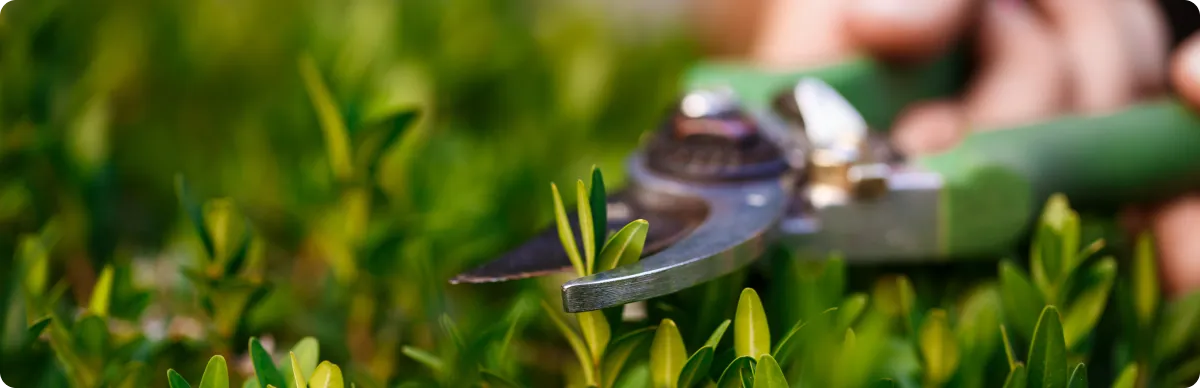
Eco-Friendly Landscaping Solutions
Efficient Yard Waste Removal
Promotes Healthy Plant Growth
Reduces Landfill Waste
Supports Local Composting
Improves Curb Appeal
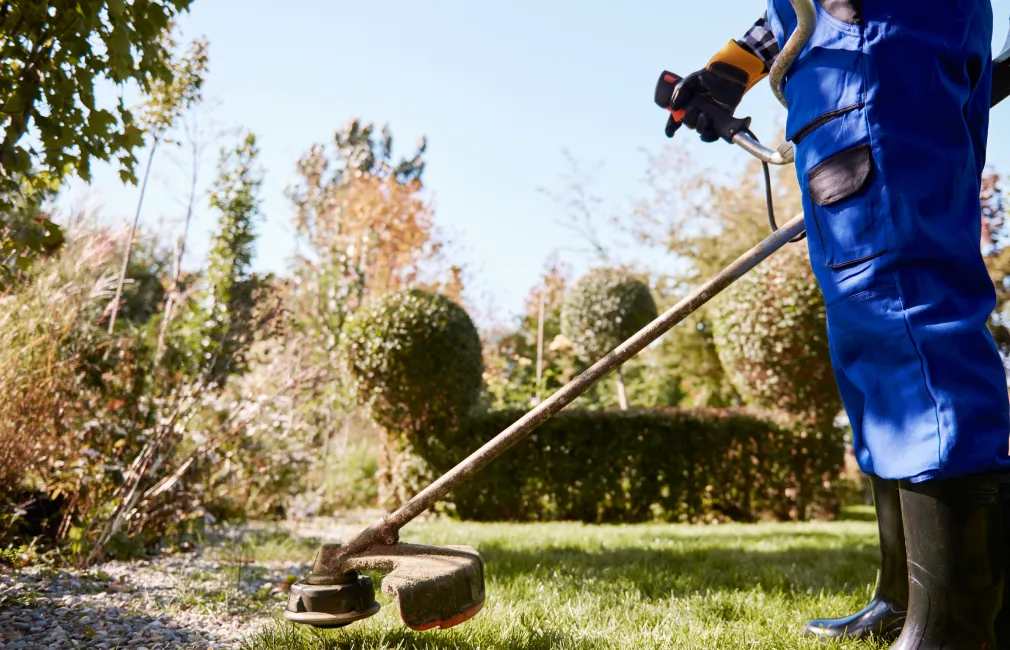
Phoenix Green Waste Disposal Types

Grass Clippings
-
Tree Branches
-
Shrub Trimmings
-
Leaves Collection
-
Palm Fronds
-
Weed Removal
-
Garden Debris
Our Green Waste Disposal Process
Collection of Green Waste
Sorting and Separation
Transport to Disposal Facility
Eco-Friendly Processing
Why Choose Phoenix Landscape Services
-
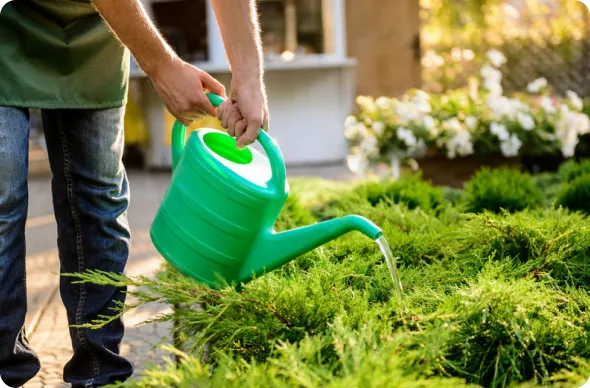
Phoenix Homeowners Trust Us
-
Expert Lawn Maintenance
-
Reliable Irrigation Solutions
-
Competitive Pricing
-
Professional Team
-
Satisfaction Guarantee
-
Personalized Service
Coordinating Green Waste Disposal Through Phoenix's Public Works Programs
Phoenix residents and property managers generate substantial volumes of green waste throughout the year, including tree trimmings, shrub clippings, grass cuttings, and other organic landscape debris. The City of Phoenix Public Works Department oversees solid waste collection services, including programs for handling green organic materials separately from general refuse. Property owners should verify current collection schedules, accepted material types, and any bundling or containerization requirements directly with Public Works before placing green waste at the curb. Commercial properties and larger-scale landscape operations may be subject to different disposal routing than single-family residential accounts. Residents managing significant volumes from seasonal pruning or storm cleanup should confirm whether bulk pickup scheduling applies or whether materials must be transported to a designated transfer station.
- Verify accepted green waste materials and preparation requirements with Public Works before collection day
- Confirm whether bulk pickup or scheduled collection applies to your property type
- Commercial landscape contractors should confirm separate hauling and disposal obligations
- Keep green waste separated from household trash, construction debris, and recyclables
Phoenix Public Works Department
200 W. Washington St., Phoenix, AZ 85003
Official Website: Phoenix Public Works Department
How Phoenix's Low-Desert Heat and Monsoons Affect Green Waste Disposal
Phoenix sits within USDA Hardiness Zone 10a, classified as a low-desert metropolitan environment with extreme summer heat regularly exceeding 110°F and intense monsoon storms from June through September. These conditions directly shape the volume, timing, and handling of green waste. Rapid bermudagrass growth during summer generates frequent clipping loads, while monsoon winds snap branches from mesquite, palo verde, and other desert-adapted trees, producing sudden surges of woody debris. Soils across much of the metro area are alkaline sandy loams, often underlain by caliche hardpan, which limits organic decomposition when green waste is left on-site. Decomposed granite surfaces common in xeriscape yards can trap windblown leaf litter against walls and fences, concentrating organic material near drainage paths.
- Summer heat accelerates organic decomposition in piled green waste, creating odor and pest concerns if not removed promptly
- Monsoon microbursts generate large volumes of broken branches and downed palm fronds within hours
- Alkaline soils and caliche layers reduce the effectiveness of on-site composting without amendment
- Windblown debris from native and ornamental trees accumulates along block walls, retention basins, and wash corridors
Navigating Phoenix's Stormwater and Disposal Regulations for Green Waste
Green waste disposal in Phoenix intersects with both municipal solid waste codes and stormwater compliance obligations. Under the Clean Water Act, the city operates within a regulated Municipal Separate Storm Sewer System (MS4), meaning organic debris must not be allowed to enter curb inlets, drainage channels, or flood-control washes. The Arizona DEQ Phase II MS4 program reinforces these requirements at the state level, placing responsibility on both municipalities and property owners to prevent pollutant discharge through stormwater conveyances. Green waste left in streets, alleys, or near wash banks can obstruct drainage flow during monsoon events and contribute to downstream water quality degradation. Property managers overseeing commercial landscapes or multi-family complexes should coordinate disposal practices with the Phoenix Office of Environmental Programs, which administers local stormwater compliance and environmental sustainability initiatives.
- Do not deposit green waste into washes, retention basins, storm drains, or flood-control channels
- Ensure clippings, leaves, and trimmings are contained and removed before monsoon storm events
- Commercial properties may face additional stormwater management requirements for landscape maintenance activities
- Verify disposal routing for noxious or invasive plant material through the Arizona Department of Agriculture if species identification is uncertain
Phoenix Office of Environmental Programs
200 W. Washington St., Phoenix, AZ 85003
Official Website: Phoenix Office of Environmental Programs
Timing and Methods for Green Waste Disposal in Phoenix's Climate
Professional green waste disposal in Phoenix requires attention to seasonal volume patterns and safe handling practices suited to extreme heat. The heaviest disposal loads typically occur during three periods: late winter and early spring when property owners prune frost-damaged vegetation, early summer when bermudagrass enters peak growth and generates high clipping volumes, and immediately following monsoon storms when wind-damaged branches and downed fronds require rapid removal. Woody material from trees such as mesquite, palo verde, and African sumac should be cut to manageable lengths for transport and should not be mixed with soil, rock, or irrigation hardware. Palm frond disposal often requires separate handling due to bulk and weight. Organic material staged for pickup should be placed in designated areas away from curb inlets and drainage paths to prevent stormwater contamination.
- Cut woody branches to lengths that comply with any applicable bundling or container size requirements set by the city
- Remove green waste piles promptly during summer months to prevent pest harborage and spontaneous combustion risk in extreme heat
- Separate palm fronds, cacti, and thorny material from general green waste for safe handling
- Stage materials on hardscape or designated collection areas rather than in gutters, alleys, or near wash edges
- Coordinate post-monsoon cleanup promptly to prevent debris migration into stormwater conveyance systems
Phoenix City Engineer Division
200 W. Washington St., Phoenix, AZ 85003
Official Website: Phoenix City Engineer Division
What Neighborhoods Do We Serve Throughout Phoenix, AZ?
- Arcadia — Mature citrus trees, large irrigated lots, and established shade canopies produce consistent volumes of green waste requiring regular disposal throughout the year.
- Ahwatukee Foothills — Hillside properties adjacent to South Mountain generate slope-related debris and monsoon-driven organic runoff that demands timely removal from drainage corridors.
- Maryvale — Older residential lots with mixed turf and desert landscaping create varied green waste streams including grass clippings, shrub trimmings, and seasonal leaf drop.
- Desert Ridge — Newer subdivision layouts with xeriscape-dominant yards produce lower green waste volumes but require attention to windblown debris accumulation along block walls and retention basins.
- Encanto-Palmcroft — Historic neighborhood with large deciduous and evergreen trees generates significant leaf litter and pruning debris, particularly during late winter maintenance cycles.
- Laveen — Rapidly developing area with a mix of agricultural remnants and new construction produces green waste from both established vegetation removal and ongoing landscape maintenance.