
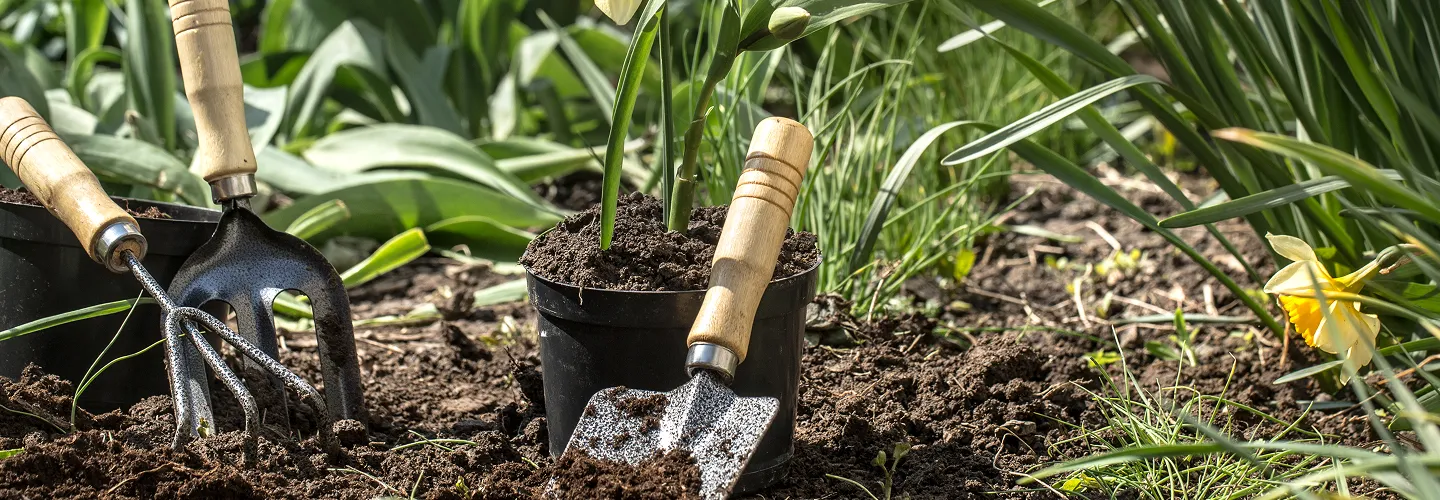
Phoenix Plant Removal Services
Choose our expert plant removal services for hassle-free, eco-friendly solutions that restore your landscape’s beauty and health—trusted by Phoenix homeowners for prompt, professional results.
Get a Free QuoteOur Phoenix Landscaping & Yard Care Services
When to Schedule Plant Removal in Phoenix, Arizona – Seasonal Guide
In Phoenix, Arizona, timing your plant removal is crucial for both the health of your landscape and the efficiency of the process. The region’s unique Sonoran Desert climate—with its hot summers, mild winters, and distinct monsoon season—means that the best periods for plant removal are typically late fall through early spring. During these months, temperatures are cooler, soil moisture is more manageable, and plants are less stressed, making removal safer and less disruptive to your property. Neighborhoods like Arcadia, Ahwatukee, and areas near South Mountain often experience microclimates, so it’s important to consider local conditions such as shade from mature trees or proximity to washes.
Environmental factors like the average last frost date (usually in late February), drought risk, and soil composition—ranging from sandy soils in Desert Ridge to clay-heavy ground in Encanto—can all impact the timing and method of removal. Additionally, municipal guidelines and HOA restrictions in communities like Paradise Valley may dictate when and how plant removal can occur. For more information on local regulations, visit the City of Phoenix official site.
Local Factors to Consider for Plant Removal in Phoenix
- Tree and shrub density in your yard
- Terrain and slope, especially near Camelback Mountain or Papago Park
- Seasonal precipitation and monsoon timing
- Local frost dates and drought risk
- Shade coverage from existing structures or mature trees
- Soil type (sandy, clay, or rocky)
- Municipal or HOA restrictions on removal timing and debris disposal
Benefits of Plant Removal in Phoenix
Expert Local Knowledge
Efficient Removal Services
Eco-Friendly Disposal
Improved Landscape Health
Enhanced Curb Appeal
Customized Landscaping Solutions
Phoenix Plant Removal Types

Tree Removal
-
Shrub Removal
-
Cactus Removal
-
Palm Tree Removal
-
Stump Grinding
-
Invasive Species Removal
-
Desert Plant Removal
Our Plant Removal Process
Site Evaluation
Preparation and Safety Measures
Plant Extraction
Debris Removal
Site Restoration
Why Choose Phoenix Landscape Services
-
Phoenix Homeowners Trust Us
-
Expert Lawn Maintenance
-
Reliable Irrigation Solutions
-
Competitive Pricing
-
Professional Team
-
Satisfaction Guarantee
-
Personalized Service
Coordinating Plant Removal Disposal and Green Waste Routing in Phoenix
Plant removal in Phoenix requires coordination with municipal departments that manage organic waste collection, site disturbance, and stormwater protection. The City of Phoenix Public Works Department oversees green waste disposal, including bulk collection of vegetation removed from residential and commercial properties. Property owners and managers should verify current bulk pickup schedules and container requirements before initiating removal projects, as improperly staged plant debris left in rights-of-way or near curb inlets may trigger code compliance action. For larger-scale removals generating significant organic material, commercial hauling to an approved transfer station may be required. Residents should confirm accepted materials and any volume limitations directly with the department.
- Separate plant debris from soil, rock, and non-organic materials before staging for collection
- Do not place removed vegetation near storm drains, wash channels, or retention basin inlets
- Confirm whether root balls and soil-attached material qualify for green waste pickup or require separate disposal
- Commercial properties may need to arrange private hauling rather than relying on residential collection routes
Phoenix Public Works Department
200 W. Washington St., Phoenix, AZ 85003
Official Website: Phoenix Public Works Department
How Phoenix's Low-Desert Heat and Alkaline Soils Affect Plant Removal
Phoenix sits within USDA Hardiness Zone 10a, classified as a low-desert metro environment with extreme summer heat, intense solar radiation, and minimal annual rainfall outside the monsoon season. These conditions directly influence plant removal logistics and post-removal site stabilization. Soils across much of the metro area tend toward alkaline sandy loam, often underlain by caliche—a calcium carbonate hardpan that can extend several feet below grade. Root systems of established desert-adapted plants such as mesquite, palo verde, and oleander frequently penetrate or wrap around caliche layers, complicating extraction and requiring mechanical assistance. The USDA Web Soil Survey provides parcel-level soil data useful for planning root-zone disturbance.
- Summer surface temperatures regularly exceed 150°F on exposed soil, accelerating erosion on freshly cleared sites
- Monsoon storms between July and September generate rapid sheet flow and localized flooding, making post-removal stabilization critical
- Decomposed granite and compacted subdivision fill common in newer developments may shift or erode once root structures are removed
- Reflected heat from block walls, concrete, and asphalt intensifies stress on adjacent remaining vegetation during and after removal work
Navigating Phoenix's Stormwater and Noxious Weed Regulations for Plant Removal
Plant removal projects in Phoenix must account for stormwater compliance obligations under the city's Phase II Municipal Separate Storm Sewer System (MS4) permit. The Arizona DEQ stormwater program requires that land-disturbing activities prevent sediment, organic debris, and chemical runoff from entering the municipal storm drain system. Exposed soil left after plant extraction must be stabilized promptly to avoid contributing to downstream sediment loading in washes and retention basins, consistent with Clean Water Act requirements.
When removal targets invasive or noxious species, the Arizona Department of Agriculture's noxious weed list identifies regulated plants that may require specific handling or disposal protocols. If chemical treatment is used to kill root systems before or after mechanical removal, applicators must hold valid credentials through the Arizona Department of Agriculture's licensing program.
- Verify whether removed species appear on Arizona's noxious weed list before composting or redistributing plant material
- Prevent soil and root debris from washing into storm drains, curb inlets, or flood-control channels
- Any herbicide application associated with plant removal requires proper state licensing
Phoenix Office of Environmental Programs
200 W. Washington St., Phoenix, AZ 85003
Official Website: Phoenix Office of Environmental Programs
Timing and Methods for Professional Plant Removal in Phoenix's Climate
Professional plant removal in Phoenix follows seasonal and site-specific protocols shaped by the city's extreme climate. The optimal window for most removal work falls between October and April, when lower ambient temperatures reduce heat-related safety risks for crews and minimize thermal stress on adjacent plantings. Monsoon season—typically July through mid-September—introduces complications including saturated soils, flash-flood risk in wash-adjacent areas, and rapid weed regrowth on cleared ground. Removal during active monsoon periods should include same-day erosion control measures such as temporary rock or gravel cover on exposed soil.
- Root extraction in caliche-heavy soils often requires mechanical equipment such as stump grinders or mini-excavators; hand removal alone may leave subsurface root mass intact
- Sites adjacent to washes, retention basins, or drainage corridors should be stabilized with decomposed granite, rock mulch, or erosion blankets immediately after removal
- Irrigation lines embedded near root zones must be located and protected or capped before excavation begins
- Dispose of plant material through approved municipal or commercial channels; do not dump organic debris in desert open space or flood-control easements
Properties near desert preserves managed by the Phoenix Parks and Recreation Department may be subject to additional review if removal occurs within buffer zones or involves native protected species. Confirm site-specific requirements before beginning work in preserve-adjacent locations.
Phoenix City Engineer Division
200 W. Washington St., Phoenix, AZ 85003
Official Website: Phoenix City Engineer Division
What Neighborhoods Do We Serve Throughout Phoenix, AZ?
- Arcadia — Mature citrus trees, established oleander hedges, and older irrigation infrastructure on larger lots frequently require careful root-zone management during plant removal to protect adjacent landscaping and underground utilities.
- Ahwatukee Foothills — Sloped desert lots with caliche-heavy soils and proximity to South Mountain Preserve demand erosion control and stabilization measures following any vegetation extraction.
- Desert Ridge — Newer subdivision fill soils and HOA-regulated desert landscaping palettes require coordination with community guidelines before removing or replacing established plantings.
- Laveen — Expansive residential lots near agricultural transition areas may contain deep-rooted non-native species and irrigation canal adjacency that complicate removal logistics.
- North Gateway — Properties bordering Sonoran Desert preserve land require heightened attention to native plant protection and buffer-zone compliance during removal projects.
- Encanto-Palmcroft — Historic neighborhood lots with dense, mature vegetation and aging drip or flood irrigation systems present access constraints and root-entanglement challenges during plant extraction.