
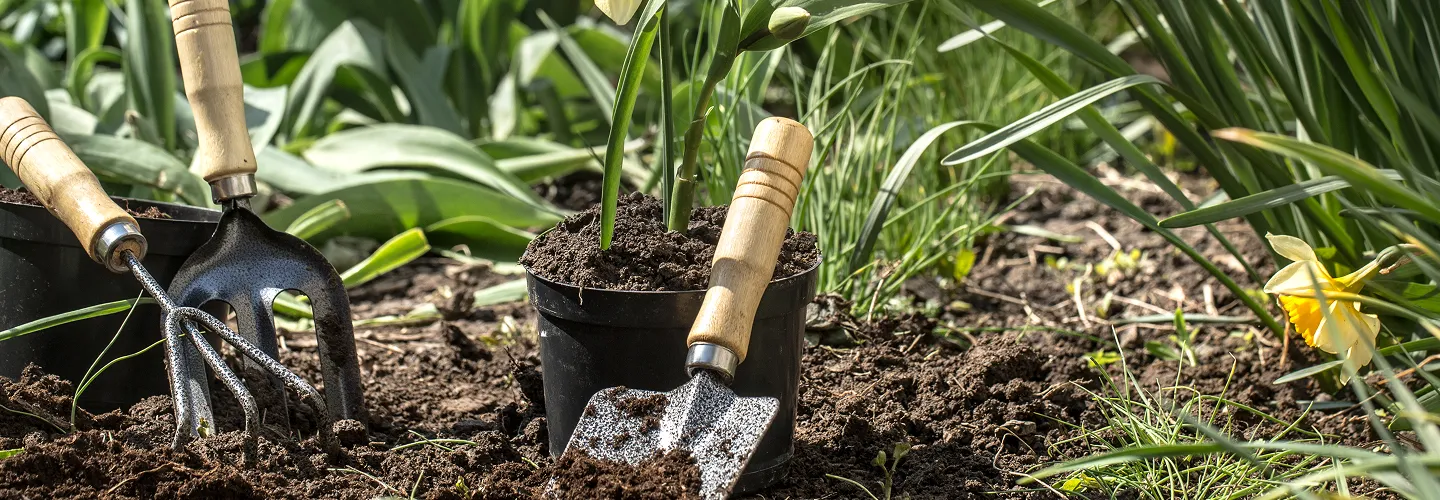
Phoenix Mulching Services
Choose our mulching services for expert care that improves soil health, conserves moisture, and gives your yard a polished, professional look—making your landscape thrive year-round.
Get a Free QuoteOur Phoenix Landscaping & Yard Care Services
When to Schedule Mulching in Phoenix, Arizona – Seasonal Guide
In Phoenix, Arizona, timing your mulching service is crucial for maximizing plant health and water conservation. The best periods for mulching are typically late winter through early spring, just before the intense summer heat arrives. This allows mulch to insulate soil, retain moisture, and suppress weeds as temperatures rise. Given Phoenix’s arid climate and minimal rainfall, neighborhoods like Arcadia and Ahwatukee benefit from early spring mulching to prepare landscapes for the dry months ahead.
Local environmental factors such as the risk of late frosts in North Phoenix, the sandy soils common in Desert Ridge, and the prevalence of drought conditions all play a role in determining the optimal mulching schedule. Areas with dense shade from mature trees, like those near Encanto Park, may require different timing than sun-exposed yards. For more information on local regulations and best practices, consult resources like the City of Sudbury’s municipal guidelines.
Local Factors to Consider for Mulching in Phoenix
- Tree density and shade coverage (e.g., mature landscapes in Encanto)
- Soil type (sandy vs. clay-heavy soils in different neighborhoods)
- Precipitation patterns and drought risk
- Frost dates, especially in northern or higher-elevation areas
- Terrain and slope, which affect water runoff
- Municipal restrictions or HOA guidelines
Benefits of Mulching in Phoenix
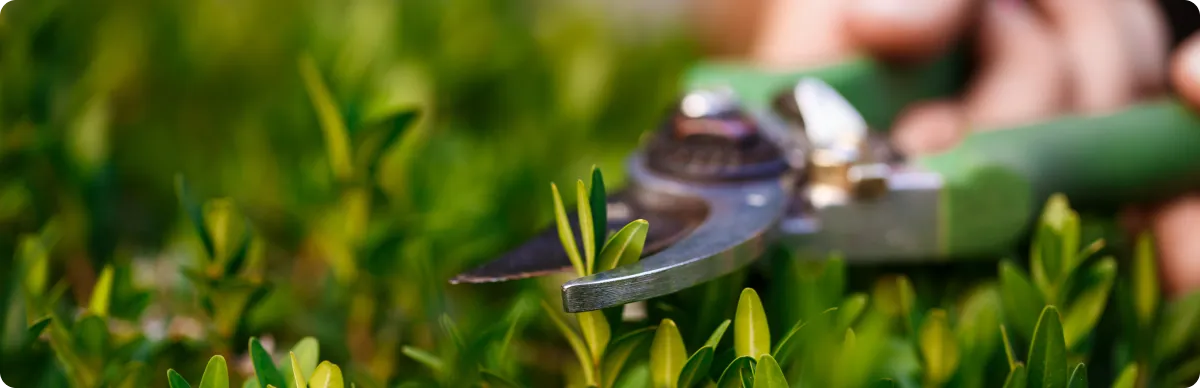
Improved Soil Moisture Retention
Enhanced Weed Suppression
Temperature Regulation for Plant Roots
Reduced Soil Erosion
Boosted Curb Appeal
Eco-Friendly Landscaping Solutions
Phoenix Mulching Types

Organic Wood Mulch
-
Desert Rock Mulch
-
Compost Mulch
-
Rubber Mulch
-
Pine Bark Mulch
-
Gravel Mulch
-
Cocoa Bean Mulch
Our Mulching Process
Site Evaluation
Soil Preparation
Mulch Selection
Mulch Application
Final Inspection
Why Choose Phoenix Landscape Services
-
Phoenix Homeowners Trust Us
-
Expert Lawn Maintenance
-
Reliable Irrigation Solutions
-
Competitive Pricing
-
Professional Team
-
Satisfaction Guarantee
-
Personalized Service
Coordinating Mulching Projects with Phoenix Municipal Programs and Departments
Mulching in Phoenix involves more than selecting a ground cover material; it requires awareness of municipal waste handling, stormwater obligations, and landscape maintenance standards enforced across the city. The Phoenix Public Works Department manages green waste collection and bulk pickup programs that directly affect how excess mulch material, old organic mulch, and landscape debris are disposed of after installation or replenishment. Residents and property managers should verify current bulk collection schedules and accepted materials before placing organic waste curbside. For properties adjacent to washes, retention basins, or public drainage corridors, the Phoenix Office of Environmental Programs provides guidance on preventing mulch migration into stormwater infrastructure, which is a recurring concern during monsoon season.
- Confirm green waste disposal procedures through the city's bulk pickup program before removing old mulch
- Avoid staging loose mulch near curb inlets, storm drains, or wash edges where runoff could carry it into the municipal storm sewer system
- Properties near desert preserves or public parks should coordinate with the city regarding any landscape modifications visible from public rights-of-way
Phoenix Public Works Department
200 W. Washington St., Phoenix, AZ 85003
Official Website: Phoenix Public Works Department
Phoenix Office of Environmental Programs
200 W. Washington St., Phoenix, AZ 85003
Official Website: Phoenix Office of Environmental Programs
How Phoenix's Low-Desert Heat and Alkaline Soils Affect Mulching
Phoenix falls within USDA Hardiness Zones 9b through 10b, placing it firmly in the low-desert environment where summer surface temperatures on exposed soil can exceed 150°F. This extreme heat makes mulching one of the most consequential landscape practices for plant survival and water conservation. The predominant soils across the Phoenix metro area tend toward alkaline sandy loam, often underlain by caliche hardpan at varying depths, with many newer subdivisions containing compacted fill imported during grading. These soil conditions affect mulch performance in several important ways:
- Alkaline soils with pH levels commonly above 7.5 benefit from organic mulch decomposition, which can gradually moderate surface pH and improve nutrient availability around drip emitters
- Caliche layers restrict root penetration and drainage, meaning mulch depth must be managed carefully to avoid trapping excess moisture against root crowns in poorly draining beds
- Reflected heat from block walls, concrete driveways, and decomposed granite hardscape intensifies soil surface temperatures, making mulch coverage critical in south- and west-facing planting beds
- Monsoon storms deliver intense, short-duration rainfall that can displace lightweight mulch from slopes and beds adjacent to washes or retention basins
The Arizona Department of Water Resources emphasizes landscape water efficiency, and properly applied mulch directly supports reduced irrigation demand by slowing evaporation from the soil surface.
Phoenix Stormwater Compliance and Regulatory Context for Mulching
Mulching itself does not typically require a permit in Phoenix, but the practice intersects with stormwater regulations that property owners and landscape contractors must observe. Phoenix operates under a Phase II Municipal Separate Storm Sewer System (MS4) permit administered through the Arizona Department of Environmental Quality, which requires the city to control pollutant discharge into washes and storm drains. Loose mulch that migrates off-site during irrigation or storm events can contribute to sediment loading in the municipal stormwater system, potentially triggering compliance concerns under the Clean Water Act.
- Organic mulch applied near drainage channels, retention basins, or flood-control infrastructure should be contained with edging, borders, or berms to prevent washout
- Dyed or chemically treated mulch products should be evaluated for runoff safety, particularly on properties draining toward natural washes or the Salt River corridor
- Commercial properties and HOA common areas may face additional landscape maintenance standards enforced through the Phoenix Planning and Zoning Department, including requirements for maintained ground cover in visible frontage areas
Contractors applying mulch on larger commercial or multifamily sites should verify whether the project scope triggers any site-disturbance thresholds that require stormwater pollution prevention measures.
Timing and Methods for Mulching Around Phoenix's Monsoon and Heat Cycles
Professional mulching in Phoenix follows a seasonal logic driven by the city's extreme temperature swings and monsoon precipitation patterns. The most effective application windows align with late winter through early spring, allowing mulch to be in place before summer heat intensifies, and again in early fall after monsoon activity subsides. Applying mulch during peak monsoon season—typically late June through September—risks immediate displacement from heavy downpours and sheet flow across sloped beds.
- Organic mulch such as shredded bark or wood chips is generally applied at a depth of roughly two to four inches around trees, shrubs, and perennial beds, keeping material pulled back several inches from trunks and stems to prevent moisture-related decay
- Inorganic mulch options including decomposed granite and river rock are widely used in Phoenix xeriscape designs and offer superior stability in high-wind and heavy-rain conditions, though they do not contribute organic matter to the soil
- In beds served by drip irrigation, mulch should be arranged to allow access to emitters for inspection, adjustment, and replacement without disturbing the entire bed surface
- The USDA Plant Hardiness Zone Map confirms Phoenix's low-desert classification, reinforcing that mulch selection should prioritize heat tolerance and UV resistance over cold-weather insulation
The University of Arizona Cooperative Extension provides regionally specific guidance on landscape management practices, including mulch interaction with desert-adapted plantings and irrigation systems.
Phoenix Parks and Recreation Department
200 W. Washington St., Phoenix, AZ 85003
Official Website: Phoenix Parks and Recreation Department
What Neighborhoods Do We Serve Throughout Phoenix, AZ?
- Arcadia — Mature citrus trees and established landscape beds on older irrigated lots benefit significantly from organic mulch to moderate root-zone temperatures and reduce water loss in this heat-intensive corridor along Camelback Road.
- Desert Ridge — Newer subdivision lots with compacted fill soils and extensive decomposed granite hardscape require careful mulch selection to complement xeriscape designs and manage reflected heat from block walls.
- Laveen — Properties near the Salt River and South Mountain drainage corridors should prioritize mulch containment to prevent material migration during monsoon sheet flow across gently sloped lots.
- Ahwatukee Foothills — Hillside and slope-adjacent properties face elevated erosion risk, making heavier inorganic mulch or secured organic applications essential for bed stability during intense summer storms.
- Encanto-Palmcroft — Historic homes with mature shade trees and traditional turf-and-bed landscapes often use organic mulch to support soil health in beds that have been irrigated for decades on alkaline soils.
- North Gateway — Rapidly developing areas with newly graded lots and imported topsoil benefit from early mulch application to protect exposed soil surfaces and establish moisture retention before the first full summer season.