
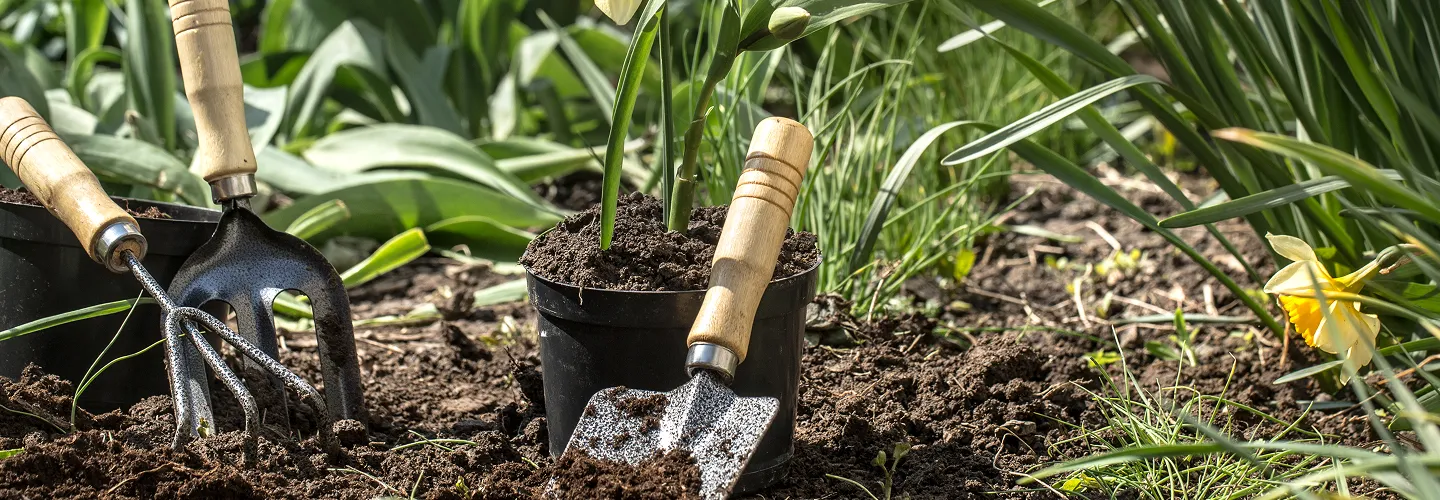
Phoenix Flower Planting Services
Choose our flower planting services for vibrant, expertly arranged blooms that thrive in Phoenix’s unique climate—bringing lasting beauty and curb appeal to your home or business.
Get a Free QuoteOur Phoenix Landscaping & Yard Care Services
When to Schedule Flower Planting in Phoenix, Arizona – Seasonal Guide
Flower planting in Phoenix requires careful timing due to the region’s unique desert climate. The best periods for planting are typically in early spring (late February to early April) and again in the fall (late September to early November), when temperatures are milder and the risk of extreme heat is lower. These windows allow new flowers to establish roots before the intense summer sun arrives or the rare winter chill sets in. Neighborhoods like Arcadia and Encanto, with their mature shade trees and varied microclimates, may offer slightly extended planting seasons compared to more exposed areas such as Desert Ridge or Ahwatukee Foothills.
Local environmental factors play a significant role in determining the optimal planting schedule. Phoenix’s low humidity, alkaline soils, and sporadic rainfall mean that soil preparation and irrigation are crucial for success. Proximity to landmarks like South Mountain Park can influence microclimates, offering cooler pockets or increased shade. It’s also important to consider municipal guidelines and resources, such as those provided by the City of Sudbury, to ensure compliance with local landscaping regulations and water use restrictions.
Local Factors to Consider for Flower Planting in Phoenix
- Tree density and available shade coverage
- Soil type (alkaline, sandy, or clay-heavy)
- Proximity to natural landmarks or urban heat islands
- Seasonal precipitation and drought risk
- Frost dates (typically late December to early February)
- Municipal restrictions on water usage or landscaping
- Terrain and drainage patterns
Benefits of Flower Planting in Phoenix
Expert Local Knowledge
Customized Plant Selection
Water-Efficient Landscaping
Year-Round Color
Professional Installation
Low Maintenance Solutions
Phoenix Flower Planting Types

Seasonal Flower Beds
-
Perennial Plant Installations
-
Drought-Tolerant Flower Gardens
-
Native Wildflower Planting
-
Container Flower Arrangements
-
Pollinator-Friendly Flower Gardens
-
Color-Themed Landscape Designs
Our Flower Planting Process
Site Evaluation
Soil Preparation
Plant Selection
Careful Planting
Watering and Mulching
Why Choose Phoenix Landscape Services
-
Phoenix Homeowners Trust Us
-
Expert Lawn Maintenance
-
Reliable Irrigation Solutions
-
Competitive Pricing
-
Professional Team
-
Satisfaction Guarantee
-
Personalized Service
Coordinating Flower Planting Projects with Phoenix Municipal Programs and Departments
Flower planting in Phoenix requires coordination with city departments that oversee public landscape standards, water conservation, and stormwater compliance. The Phoenix Parks and Recreation Department maintains guidelines for plant material used in public-facing areas, parkway strips, and medians, which can inform residential and commercial planting decisions in adjacent zones. Property managers planning flower installations near rights-of-way, retention basins, or drainage corridors should verify that plantings do not obstruct stormwater flow or encroach on city easements. The Arizona Department of Water Resources encourages desert-adapted landscaping practices that reduce outdoor water demand, a priority in the Phoenix Active Management Area where groundwater use is regulated.
- Confirm that flower bed installations along street frontages comply with city visibility and setback expectations
- Coordinate with the city engineer's office if planting near drainage infrastructure or wash edges
- Review water conservation guidelines before selecting species that require supplemental irrigation
Phoenix Parks and Recreation Department
200 W. Washington St., 16th Floor, Phoenix, AZ 85003
Official Website: Phoenix Parks and Recreation Department
How Phoenix's Low-Desert Heat and Alkaline Soils Affect Flower Planting
Phoenix sits in USDA Hardiness Zone 10a, a low-desert environment where summer temperatures routinely exceed 110°F and soil conditions present distinct challenges for flower establishment. The predominant soils across much of the metro area are alkaline sandy loams, often underlain by caliche—a calcium carbonate hardpan that restricts root penetration and drainage. Properties in newer subdivisions frequently have compacted fill soils imported during grading, which further limits water infiltration and root development. Reflected heat from block walls, concrete driveways, and decomposed granite surfaces intensifies thermal stress on flowering plants, particularly those installed in south- or west-facing exposures.
- Soil pH in the Phoenix basin commonly ranges from 7.5 to 8.5, which can cause iron chlorosis in non-adapted species
- Caliche layers may need to be broken or drilled through to allow adequate root-zone drainage
- Monsoon storms from July through September deliver intense but brief rainfall, creating washout risk for newly planted beds
- Salinity from municipal and reclaimed irrigation water can accumulate in the root zone without periodic deep leaching
Referencing the USDA Plant Hardiness Zone Map and the USDA Web Soil Survey can help property owners and landscape professionals identify site-specific conditions before selecting flower species.
Navigating Phoenix's Stormwater and Environmental Compliance for Flower Planting
Flower planting projects in Phoenix must account for stormwater regulations, particularly when beds are installed near washes, retention basins, curb inlets, or flood-control channels. The city operates under Phase II Municipal Separate Storm Sewer System (MS4) requirements, meaning that sediment, fertilizer, and soil amendments must not be allowed to enter the storm drain system. The Arizona DEQ stormwater program and the federal Clean Water Act establish the regulatory framework for preventing polluted runoff from landscape activities. Any chemical pest or weed treatments applied to flower beds require compliance with Arizona Department of Agriculture licensing requirements for commercial applicators.
- Excess soil, mulch, and amendments must be contained on-site and kept out of street gutters and storm drains
- Fertilizer applications should be timed to avoid monsoon washoff into drainage infrastructure
- Properties adjacent to desert preserves or natural washes may face additional review through the city's environmental programs office
Phoenix Office of Environmental Programs
200 W. Washington St., Phoenix, AZ 85003
Official Website: Phoenix Office of Environmental Programs
Timing and Methods for Flower Planting in Phoenix's Extreme Climate
Professional flower planting in Phoenix follows two primary installation windows: a fall window from mid-October through November and a spring window from late February through mid-March. These periods avoid the lethal summer heat and the brief but real frost risk that can occur from late December through early February. Desert-adapted species such as desert marigold, brittlebush, penstemon, globe mallow, and angelita daisy tolerate Phoenix's alkaline soils and intense sun far better than temperate annuals. For seasonal color beds, petunias, snapdragons, and pansies perform well during the cooler months but require replacement before summer heat arrives.
- Prepare planting beds by amending native soil with sulfur or iron chelates to address high pH where needed
- Install drip emitters at each plant's root zone rather than relying on overhead spray, which wastes water and promotes foliar disease
- Apply a two- to three-inch layer of organic or rock mulch to moderate soil temperature and reduce evaporation
- Water newly installed flowers daily for the first week, then taper to a schedule appropriate for the species and season
- Avoid planting during June through mid-September, when soil surface temperatures can exceed 150°F and transplant shock is severe
Phoenix Water Services Department
200 W. Washington St., Phoenix, AZ 85003
Official Website: Phoenix Water Services Department
Residents and property managers should verify current watering restrictions and drought-stage rules through Phoenix Water Services before establishing new flower plantings that require supplemental irrigation.
What Neighborhoods Do We Serve Throughout Phoenix, AZ?
- Arcadia — Mature citrus lots and older irrigated landscapes in this area often feature deep topsoil profiles that support a wider range of flowering species, though reflected heat from adjacent block walls remains a factor.
- Desert Ridge — Newer subdivision fill soils and extensive decomposed granite hardscape require careful soil amendment and emitter placement for successful flower establishment.
- Laveen — Properties near the Salt River and Laveen area washes should account for monsoon runoff patterns and drainage setbacks when positioning flower beds.
- Ahwatukee Foothills — South Mountain adjacency creates slope and exposure variability; south-facing beds experience significantly higher heat loads than shaded north-facing positions.
- Encanto-Palmcroft — Historic lots with mature tree canopy offer more filtered light for shade-tolerant flowers, but root competition and older irrigation systems may require upgrades.
- North Gateway — Desert preserve proximity means plantings should prioritize native and desert-adapted species to maintain ecological compatibility and reduce water demand.