
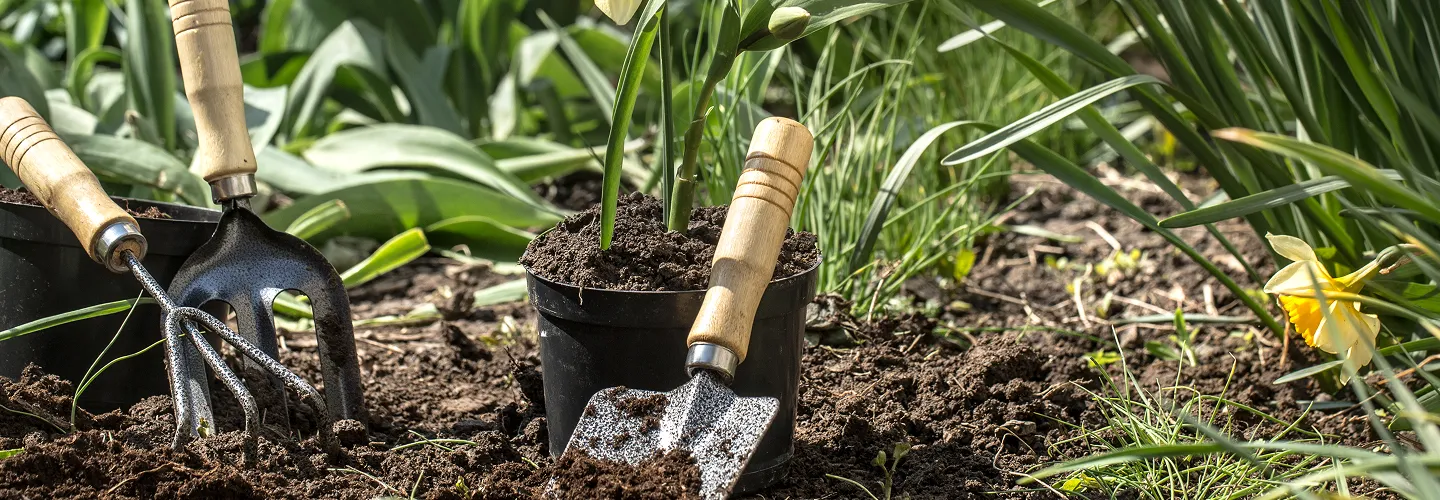
Phoenix Lawn Mowing Services
Choose our lawn mowing service for reliable, professional results that keep your yard looking its best all year round—enjoy more free time and a healthier, greener lawn with our expert team.
Get a Free QuoteOur Phoenix Landscaping & Yard Care Services
When to Schedule Lawn Mowing in Phoenix, Arizona – Seasonal Guide
In Phoenix, Arizona, the timing of your lawn mowing schedule is crucial due to the region’s unique desert climate and distinct seasonal changes. Unlike cooler climates, Phoenix lawns—especially in neighborhoods like Arcadia, Ahwatukee, and near South Mountain Park—experience rapid growth during the spring and early summer, when temperatures rise but before the peak heat of July and August. The optimal mowing season typically begins in late February or early March, after the last frost date, and continues through late October. During the hottest months, growth may slow, but regular mowing remains important to maintain healthy turf and prevent weed encroachment.
Local environmental factors such as drought risk, low humidity, and the prevalence of Bermuda and hybrid grasses mean that mowing frequency and height should be adjusted throughout the year. Lawns in shaded areas, like those found in the historic Encanto district, may require less frequent mowing compared to sun-exposed yards in Desert Ridge. Soil type—often sandy or clay-heavy in Phoenix—also impacts grass health and mowing needs. For more information on local regulations and best practices, consult resources like the City of Sudbury’s municipal guidelines.
Local Factors to Consider for Lawn Mowing in Phoenix
- Tree density and shade coverage (affects grass growth rate)
- Terrain and slope (impacts mowing safety and technique)
- Seasonal precipitation patterns (monsoon season vs. dry months)
- Soil composition (sandy, clay, or rocky soils)
- Drought risk and water restrictions
- Municipal regulations on mowing times and noise ordinances
- Proximity to landmarks or natural preserves (may influence grass types and maintenance needs)
Benefits of Lawn Mowing in Phoenix
Expert Local Knowledge
Consistent Lawn Health
Time-Saving Services
Professional Equipment
Customized Lawn Care Plans
Reliable Scheduling
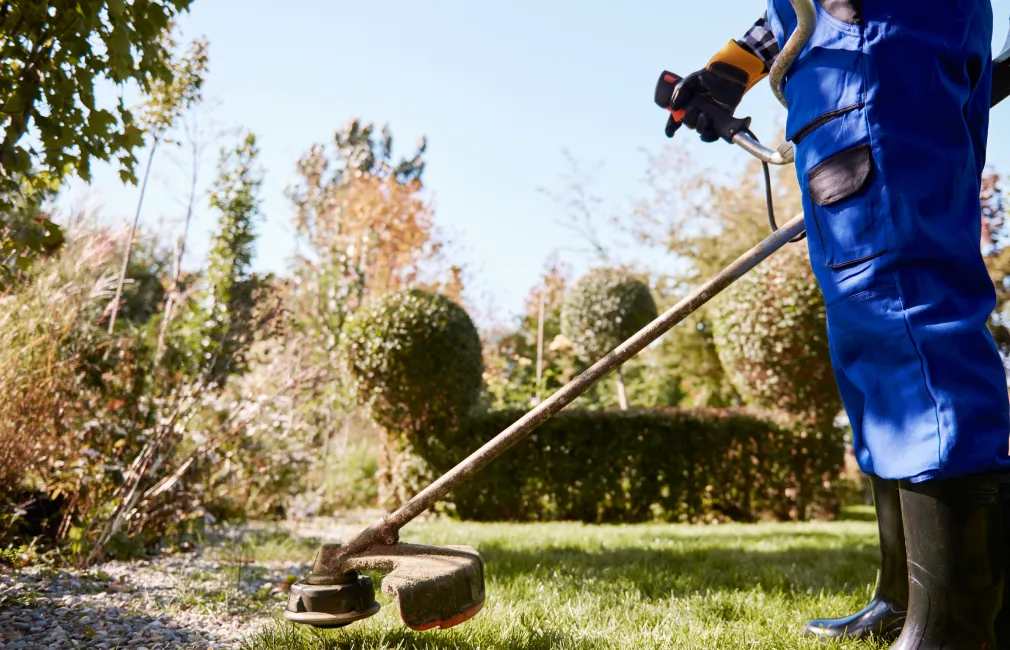
Phoenix Lawn Mowing Types

Standard Lawn Mowing
-
Mulching Mower Service
-
Bagging Mower Service
-
Edging and Trimming
-
Seasonal Scalping
-
Commercial Property Mowing
-
Custom Cut Patterns
Our Lawn Mowing Process
Site Evaluation
Lawn Preparation
Mowing Execution
Edging and Trimming
Cleanup
Why Choose Phoenix Landscape Services
-
Phoenix Homeowners Trust Us
-
Expert Lawn Maintenance
-
Reliable Irrigation Solutions
-
Competitive Pricing
-
Professional Team
-
Satisfaction Guarantee
-
Personalized Service
Coordinating Green Waste Disposal and Lawn Mowing in Phoenix
Lawn mowing in Phoenix generates a steady volume of grass clippings that must be managed in accordance with the city's solid waste and environmental programs. The Phoenix Public Works Department oversees residential green waste collection, including bundled yard trimmings and bagged clippings. Residents and property managers should verify current collection schedules and container requirements directly with Public Works, as accepted materials and pickup frequency may vary by service area. Grass clippings left on curbs, in gutters, or near storm-drain inlets can wash into the city's drainage system during monsoon events, creating water-quality concerns under the Arizona DEQ Phase II MS4 program. Key coordination steps include:
- Bag or mulch clippings on-site rather than blowing them into streets or washes
- Confirm bulk green waste pickup procedures before placing material curbside
- Keep mowing debris away from retention basins, flood-control channels, and curb inlets
Phoenix Public Works Department
200 W. Washington St., Phoenix, AZ 85003
Official Website: Phoenix Public Works Department
How Phoenix's Low-Desert Heat and Alkaline Soils Affect Lawn Mowing
Phoenix sits in USDA Hardiness Zone 10a, a low-desert environment where summer air temperatures routinely exceed 110°F and soil surface temperatures can climb even higher. These conditions directly shape how turf responds to mowing. The predominant soils across much of the metro area tend toward alkaline sandy loam, often underlain by caliche hardpan, with many newer subdivisions built on compacted fill or imported topsoil of variable quality. According to the University of Arizona Cooperative Extension, bermudagrass is the dominant warm-season turf in low-elevation Arizona, with perennial ryegrass commonly overseeded for winter color.
- Reflected heat from block walls, concrete driveways, and decomposed-granite borders intensifies turf stress along property edges
- Alkaline soil pH (commonly 7.5–8.5) affects nutrient availability and turf vigor, influencing how quickly grass recovers after each cut
- Irrigation dependence is absolute—without consistent watering, mowed turf cannot recover from blade removal during extreme heat
- Monsoon runoff can carry clippings and sediment into washes and retention basins if mowing debris is not contained on-site
The Arizona Department of Water Resources provides landscaping guidance that encourages efficient irrigation practices, which directly affect mowing frequency and turf health in the Phoenix metro area.
Phoenix Stormwater Compliance and Regulations Relevant to Lawn Mowing
Lawn mowing in Phoenix intersects with several regulatory frameworks, primarily related to stormwater quality and property maintenance codes. Under the federal Clean Water Act, the city operates a municipal separate storm sewer system (MS4) that prohibits non-stormwater discharges—including landscape debris, fertilizer runoff, and sediment—from entering drainage infrastructure. The Phoenix Office of Environmental Programs coordinates local stormwater compliance and air-quality initiatives that affect outdoor maintenance operations.
- Grass clippings, soil, and organic debris must not be discharged into streets, washes, or storm drains
- Mowing equipment operators should be aware of Maricopa County dust-control expectations, particularly on exposed or recently graded lots
- Properties adjacent to designated washes or flood-control channels may face additional restrictions on vegetation management within easement areas
- Any chemical weed treatment applied in conjunction with mowing must comply with Arizona Department of Agriculture licensing requirements
Phoenix Office of Environmental Programs
200 W. Washington St., Phoenix, AZ 85003
Official Website: Phoenix Office of Environmental Programs
Timing and Mowing Height Standards for Phoenix Turf Throughout the Year
Professional mowing standards in Phoenix must account for two distinct turf seasons. During the warm season (April through October), bermudagrass is actively growing and should generally be maintained at a height of approximately 1 to 1.5 inches for common bermuda, or 0.5 to 1 inch for hybrid varieties, according to the University of Arizona Turfgrass Maintenance Guide. Overseeded perennial ryegrass, typically present from October through April, is commonly mowed at 1.5 to 2.5 inches.
- Summer mowing should occur during early morning hours to reduce heat stress on both turf and equipment operators; mowing during peak afternoon heat can scald freshly cut grass
- Clipping management is critical—mulching clippings back into the turf returns nitrogen and reduces green waste volume, but excessive clipping accumulation can smother turf in humid monsoon conditions
- Irrigation timing should be coordinated so that turf is not waterlogged at the time of mowing; mowing on saturated soil compacts the root zone and creates uneven cuts
- Blade sharpness matters more in extreme heat, as ragged cuts increase moisture loss from leaf tissue and invite disease during monsoon humidity
- During the spring transition (March–April), mowing height should be gradually lowered to encourage bermudagrass emergence as ryegrass declines
Phoenix Parks and Recreation Department
200 W. Washington St., Phoenix, AZ 85003
Official Website: Phoenix Parks and Recreation Department
What Neighborhoods Do We Serve Throughout Phoenix, AZ?
- Arcadia — Mature irrigated lots with established bermudagrass lawns, citrus trees, and significant reflected heat from adjacent block walls and older hardscape require frequent mowing during the warm season
- Ahwatukee Foothills — Subdivision lots often feature compacted fill soils and smaller turf panels bordered by decomposed granite, with HOA appearance standards that influence mowing frequency and edging expectations
- Encanto-Palmcroft — Historic homes with large, shaded turf areas and older irrigation systems present unique mowing challenges, including uneven grade and dense canopy cover that affects grass growth patterns
- Desert Ridge — Newer master-planned community with limited turf areas, significant hardscape, and intense reflected heat along streetscapes and common areas
- Laveen — Expanding residential development on formerly agricultural land with heavier clay-loam soils that compact readily and may require adjusted mowing schedules during monsoon saturation
- North Mountain Village — Properties near the North Mountain Preserve often border natural desert washes, requiring careful clipping containment to prevent organic debris from entering drainage corridors